Culture and Cuisine of Sambhajinagar
Sambhajinagar’s identity is woven from textiles that shimmer, copper that sings under a hammer, languages that switch easily, and kitchens that slowly coax flavor from humble ingredients. The city is a dialog between past and present—between UNESCO stone and everyday courtyards, between ceremonial feasts and tea-stall chats. This guide explores crafts, festivals, language, and food with practical suggestions for immersive, respectful encounters.
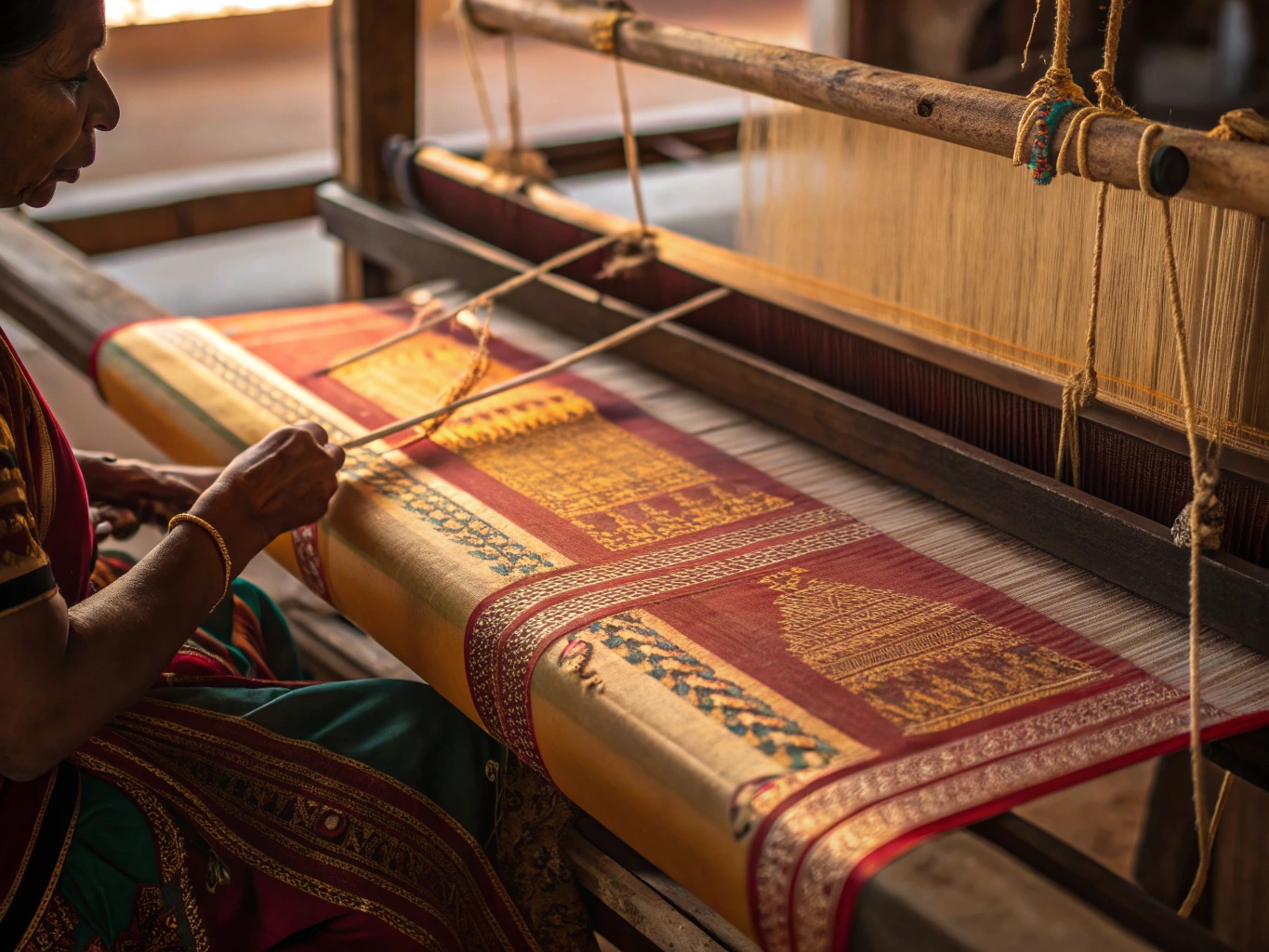
Textiles: Paithani and Himroo
Paithani saris, celebrated for their rich silk and zari work, often feature motifs inspired by nature—peacocks, parrots, and floral vines that recall court ateliers yet feel alive in contemporary wardrobes. Traditional Paithani weaving can take months, even for smaller pieces like dupattas, as artisans coordinate color gradations in the pallu and balance motif density across borders. Visiting a workshop in Paithan or an artisan studio in Sambhajinagar lets travelers witness the meditative rhythm of the loom. Questions are welcome; photographs are usually okay with consent. If purchasing, remember you are paying for time, expertise, and the continuity of a living tradition.
Himroo, often described as a local adaptation of Persian brocade techniques, has a hand-feel that lovers of textiles recognize immediately: soft, with the play of light across its patterned surface. Historically, Himroo catered to elite tastes with complex designs, but modern workshops experiment with accessories and fashion pieces that make the craft relevant to new generations. Support studios that document their lineage and fairly compensate weavers.
Metalwork: Bidri-inspired craft and brassware
While classic Bidriware is strongly associated with Bidar in neighboring Karnataka, you’ll encounter metalworking traditions in Sambhajinagar that echo Deccan aesthetics—contrasting inlays, floral arabesques, and boldly shaped vessels. In backstreet shops, watch coppersmiths and brassmakers repair heirlooms or shape utilitarian pieces with surprising elegance. If you’re curious about process, ask for a brief demonstration. Craftspeople are proud of their skill; respect workshop rules and avoid crowding small spaces. Purchasing even small items has outsized positive effects in sustaining the craft economy.
Festivals and public life
The city’s calendar is enthusiastic: Ganesh Chaturthi installations in neighborhoods, Eid gatherings after Ramadan, and processions tied to local shrines and temples. Public celebrations are a good way to experience hospitality—stand respectfully at the edges, follow the lead of locals, and accept sweets or prasad with gratitude if offered. If photographing, request consent for close-ups, especially of children. Festivals also mean traffic diversions and crowded markets; plan accordingly if you’re headed to sites on the same day.
Languages and everyday conversation
Marathi is the dominant language, with Deccani Urdu and Hindi widely heard; English is serviceable in hospitality contexts. Learning a few Marathi phrases goes a long way: namaskar (hello), krupaya (please), dhanyavaad (thank you). Sellers appreciate simple greetings; start with curiosity and a smile. Many artisans enjoy talking about their craft once they sense genuine interest. This isn’t a performative museum—it’s a living city where conversation bridges worlds.
Food: from slow-cooked meats to hearty vegetarian plates
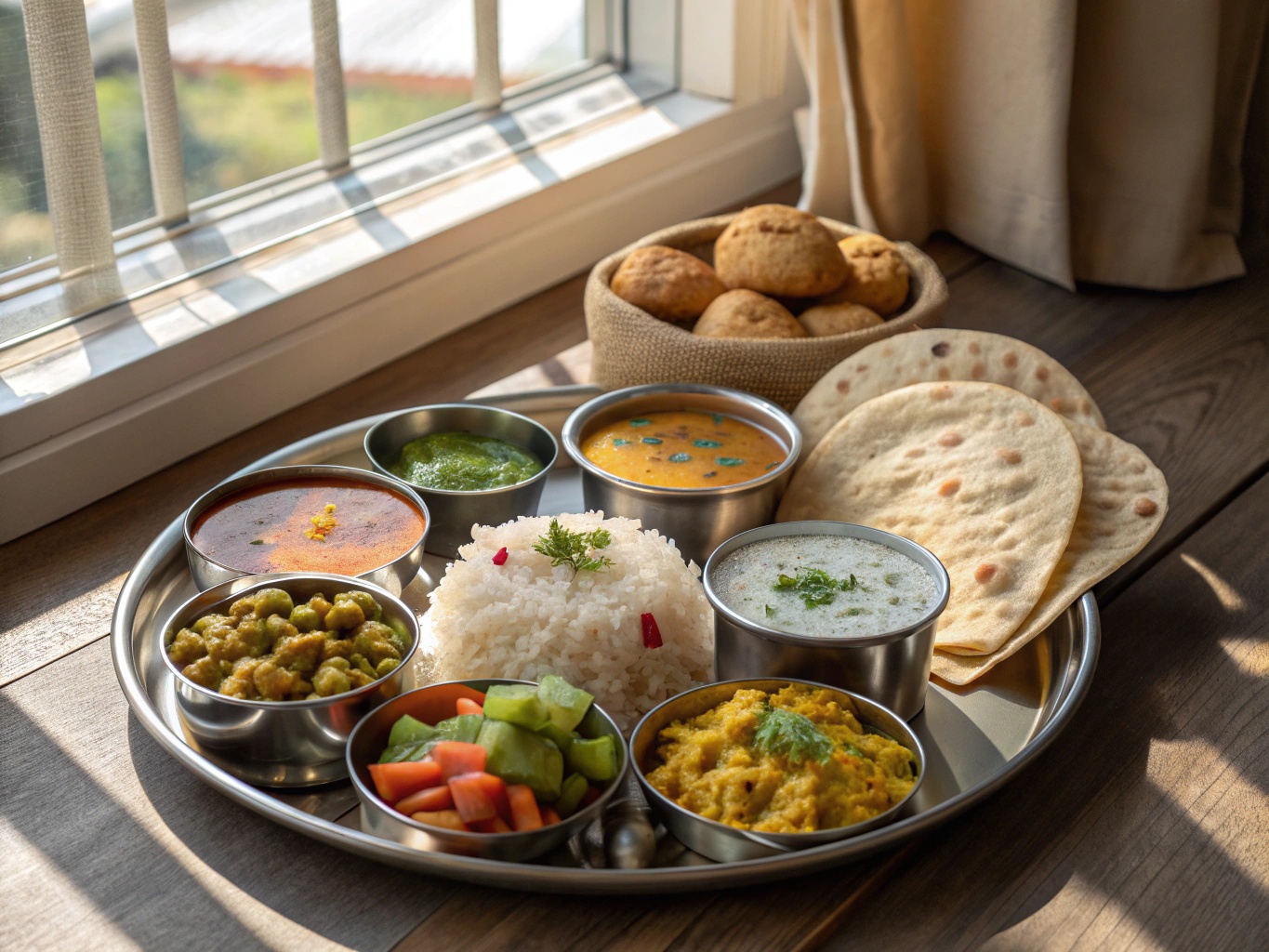
Sambhajinagar’s kitchens synthesize Maratha heartiness, Mughal finesse, and Deccan geography. Slow-cooked nihari and paya warm winter mornings; tahri perfumes the afternoon; tandoor-baked breads share the table with griddle-fresh bhakri or paratha. Vegetarian thalis showcase regional vegetables, legumes, and pickles that brighten the palate. Street food deserves a guided exploration: seek locally beloved stands where turnover is high and freshness is evident. Hydration matters year-round; in summer, supplement water with lime-salt coolers.
Markets and bazaars
Markets articulate the city’s tempo. Morning vegetable bazaars glow with seasonal produce; fabric lanes stack color to the ceiling. Explore with small notes for purchases and an open schedule—conversations often lead to unexpected finds. If you’re serious about textiles, ask shopkeepers to direct you to weaver cooperatives or exhibitions where provenance is clear. For gifts, small metal containers, textiles, and spice blends travel well. Pack items carefully; ask for protective wrapping if you plan to carry-on.
Ethics of engagement
Buy directly from makers when possible; pay quoted prices or bargain with grace. Photography in workshops should never interfere with work. Share images with artisans if you promised to. If you’re writing or posting online, credit studios by name. Cultural tourism can be extractive; the antidote is reciprocity: listen more, pay fairly, and celebrate the people who keep traditions alive.
Neighborhood walks and small museums
Between marquee sites, set aside mornings for neighborhood walks: gateways from earlier eras, courtyards with carved balconies, and small shrines that reveal how the city breathes. Small private museums and galleries appear in unexpected lanes—follow your curiosity. These interludes balance the grand narratives of UNESCO spaces with the intimacy of daily life.
Music and performance
Classical concerts, devotional singing, and community theater pop up throughout the year. Ask your hotel or local contacts about current listings. Attending a small event can be the highlight of a trip, offering an immediate sense of belonging. Be punctual, switch phones to silent, and consider small donations when events are community-funded.
Tea stalls and everyday hospitality
Much of Sambhajinagar’s charm is found in the pauses: tea stalls where regulars gather, bakeries with signature biscuits, and carts that become landmarks. Take a moment to stand, sip, and watch the city flow. You’ll pick up tips—where to eat, which streets are under repair, whether a particular craft shop is worth a detour. Hospitality here is practical and warm; meet it with the same spirit.
Respect and reciprocity
Culture isn’t a checklist. It’s a practice of attention. If you carry one rule into Sambhajinagar’s living rooms, studios, and shrines, let it be this: move with care. The rest follows—doors open, stories unfold, and your presence contributes, however modestly, to the continuation of what you came to admire.