Top Attractions in Sambhajinagar (Aurangabad)
This in-depth guide helps you plan efficient, respectful visits to Ajanta & Ellora Caves, Daulatabad Fort, Bibi ka Maqbara, and a constellation of living religious and craft sites around the city. Expect realistic time estimates, photography etiquette, and seasonal tips for each location.
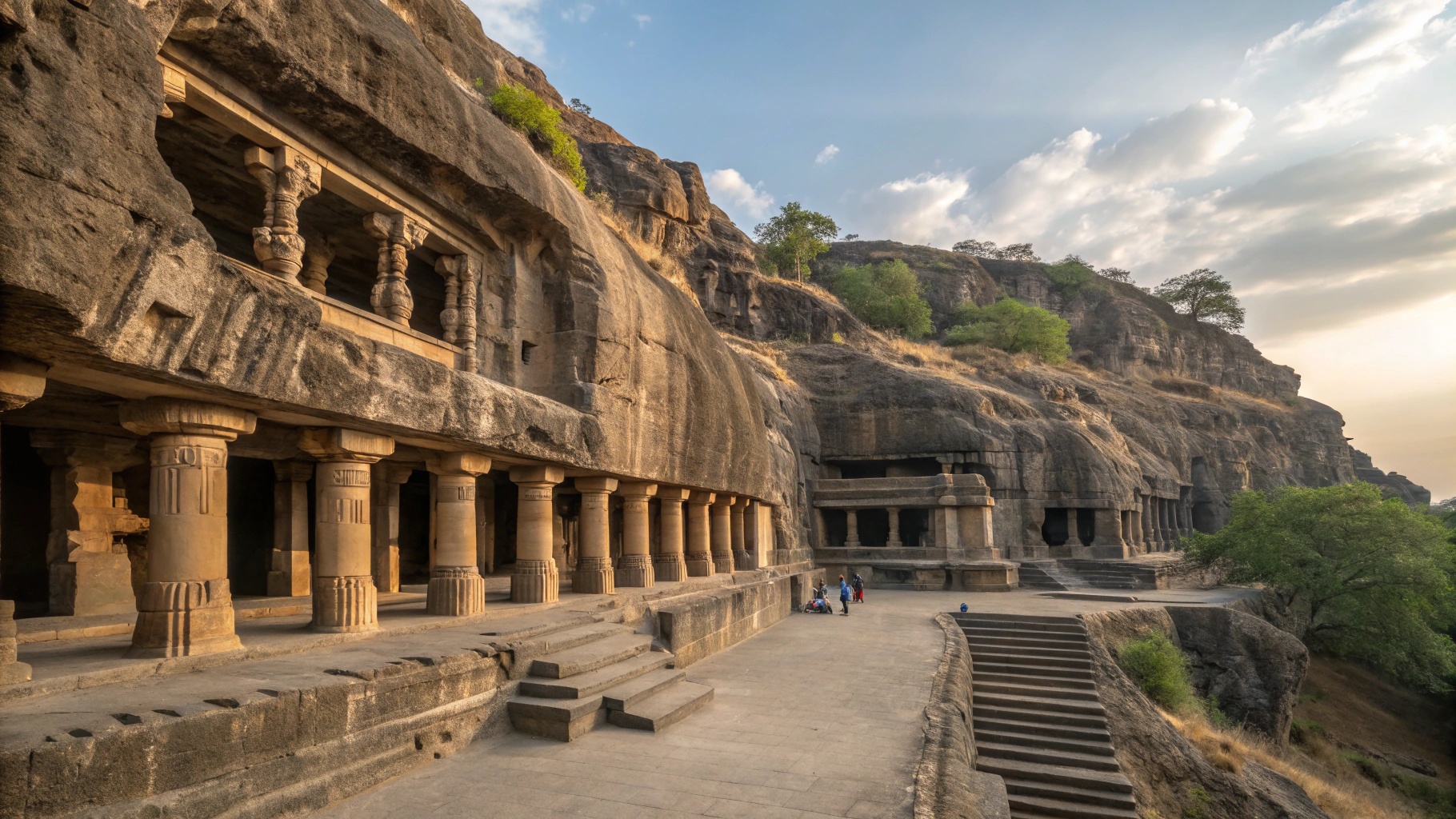
Ellora Caves (UNESCO)
Ellora compresses centuries of religious architecture into an easily navigable stretch of basalt cliffs. Numbered roughly from south to north, the complex includes Buddhist monasteries, monumental Hindu temples, and serene Jain shrines. The headline act is Cave 16, the Kailasa temple—a monolithic marvel carved top-down from a single rock. But the surrounding caves are not mere prelude: Buddhist caves showcase vast pillared halls and vihara layouts, while Jain caves reward quiet attention with their restrained elegance and fine sculptural detail. Allocate at least three to five hours, more if you photograph or sketch.
Practicalities: The site lies about 30 km from the city center. Start early to beat both heat and crowds. Official guides at the gate carry photo ID; hiring one adds context that enhances appreciation. Photography is allowed (tripods may be restricted); avoid flash near sensitive surfaces. Wear shoes easy to remove for shrines that require it. Carry water, a hat, and cash for tickets if card machines act up. The complex stretches along a roadway; shuttles and walking both work—plan for moderate exertion and stairs.
Reading the site: Kailasa isn’t just big—it’s an engineering thesis in stone logistics. Imagine the planning required to remove hundreds of thousands of tons of rock without undermining the final structure. Note the plinth elephants, the detached mandapa, and narrative panels that trace mythology. In the Buddhist caves, step into the quiet of a chaitya hall and seek out the ribbed ceiling that echoes wooden prototypes. In Jain caves, look for seated Tirthankaras and ornamental ceilings. Ellora’s pluralism is a historic reality, not a modern slogan: the adjacency of faiths here is centuries old.
Ajanta Caves (UNESCO)
Ajanta’s arc of caves sits above a river gorge, their facades partly hidden by foliage until you round the bend and the horseshoe shape comes into view. Unlike Ellora’s cross-religious repertoire, Ajanta focuses on Buddhist monastic life and narrative painting. The murals—fragile, precious—reward slow looking. You’ll see royalty, commoners, animals, architecture, and scenes from the Jataka tales. The paintings’ survival is a stroke of historical luck; treat them with the same care the Archaeological Survey of India exercises: no flash, no touching, and minimal humidity disturbances.
Logistics: Ajanta lies roughly 100–105 km from Sambhajinagar, usually planned as a full-day trip with an early departure. After parking and a short bus ride from the visitor center, choose between the path along the cave row and a viewpoint across the gorge that gives you the postcard vista. Bring snacks and water, but be mindful of litter. Photography without flash is allowed in most areas; guards will guide behavior in rooms with delicate paintings. A small torch can help see details without using flash, but be polite to others in the space.
What to look for: The famous Bodhisattva Padmapani and Vajrapani images embody Ajanta’s refined modeling and emotional intelligence. Elsewhere, courtly processions, dancers, and exotic visitors appear. Studying the brushwork up close reveals a command of line and composition that feels startlingly modern. In sculpted spaces, observe the stupa and columns; craftsmanship extends to the way light is controlled as you move deeper into the cave.
Daulatabad (Devgiri) Fort
Once the capital of a medieval dynasty and briefly, under Muhammad bin Tughlaq, the capital of the Delhi Sultanate, Daulatabad is a masterclass in defensive architecture. Approaching the hill, you walk through gates with iron spikes designed to fend off war elephants, proceed via angled passages that slow attackers, and climb past bastions with commanding views of the Deccan plateau. The final stretch includes the infamous pitch-dark “Andheri” passage—carry a small light if you’re uncomfortable with darkness, and follow posted guidance for safety. Sunrise starts are recommended in warm months.
Planning: The fort is about 15 km from the city. Two to three hours rewards a steady pace; add more if you like reading plaques and exploring side paths. Footwear with grip matters—the stone can be smooth in places. Keep water handy. Guides can enrich the experience with stories of sieges, shifting capitals, and the logic hidden in architectural choices.
Bibi ka Maqbara
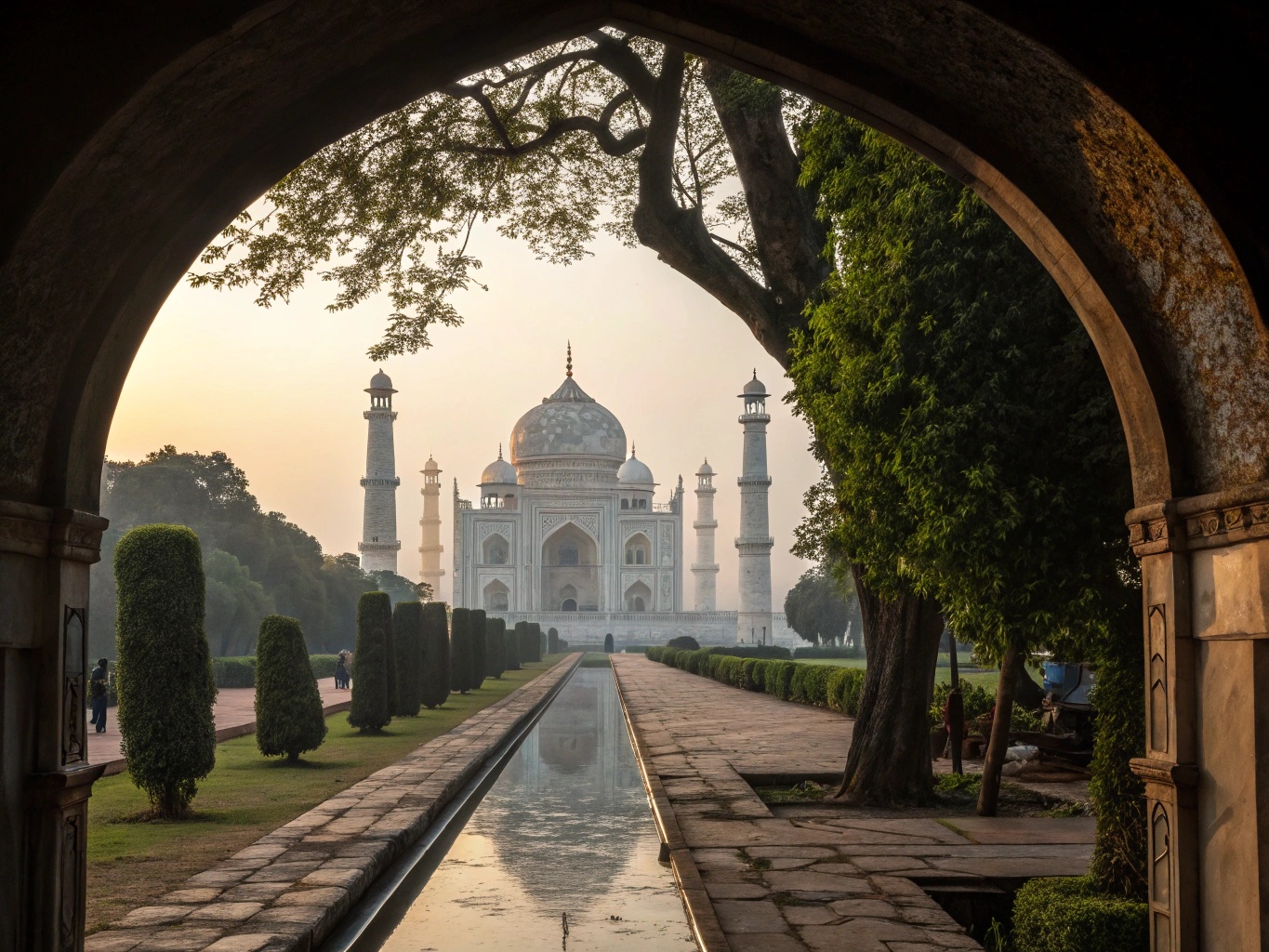
Often called the “Taj of the Deccan,” this mausoleum was commissioned by Aurangzeb’s son, Azam Shah, in the 17th century. Its symmetry, layered gardens, and water channels invite unhurried exploration. Visit near sunset for warm light on the marble and stucco. Photographers can play with reflections in the watercourses and frame the monument through arched gates. While comparisons to the Taj Mahal are inevitable, Bibi ka Maqbara has its own atmosphere—less crowded, more local, and beautiful in its restraint.
On site etiquette: Dress with modesty, respect prayer times if the mosque area is active, and avoid stepping on raised plinths not meant for walking. Vendors may offer souvenirs outside; feel free to browse but avoid pressure buys. Night photography on clear evenings with a tripod can be lovely if rules allow; always confirm with guards.
Aurangabad Caves
Closer to the city than Ellora or Ajanta, the Aurangabad Caves offer a compact window into the region’s Buddhist rock-cut tradition. Split into groups on separate hillsides, the caves mix sculptural panels with meditation cells and hallways. The vantage points over the city are a bonus—on clear days, you can see the urban layout and surrounding ridges. Because they’re less crowded, these caves can be a restorative pause between headline sites, and a useful teaching ground for kids learning to “read” rock-cut architecture.
Grishneshwar Temple and Khuldabad
Adjacent to Ellora is Grishneshwar, home to one of the twelve Jyotirlingas revered in Shaivism. Dress modestly, expect a respectful queue, and follow temple rules: photography is usually restricted or prohibited inside. Nearby Khuldabad contains Sufi shrines and the tomb of Aurangzeb, whose austere burial contrasts sharply with Mughal imperial grandeur in other cities. Together, these sites illustrate the region’s religious breadth and the humility found in certain strands of devotion.
Paithan and the Godavari
South of Sambhajinagar lies Paithan, historical capital of the Satavahanas and today synonymous with the luxurious Paithani sari. If you’re drawn to textiles, visiting a weaving workshop is a highlight—watch the patient coordination of warp and weft, the gleam of silk, and the planning that goes into motifs. Purchases directly from makers preserve more value for artisans. Paithan also offers a riverfront on the Godavari and the Jayakwadi dam area with birdlife; it’s a relaxing counterpoint to days of monuments.
Extended day trips: Pitalkhora and Lonar (if time permits)
With extra time, consider Pitalkhora Caves, an earlier Buddhist complex in a valley setting that feels more remote than Ellora. Trails can be slippery in monsoon; wear shoes with grip. Farther afield, the Lonar crater lake—formed by a meteor impact—welcomes geology fans. It’s a longer day and not strictly within Sambhajinagar’s immediate halo, but if you’re extending your Deccan circuit, it’s compelling.
General tips for sites
- Tickets: Carry small change; card machines can be unreliable. Foreign visitor rates differ from domestic; students often get concessions with ID.
- Guides: Hire licensed guides at the main gate of large sites. Agree on duration, language, and fee before starting.
- Hydration & sun: Even in winter, midday sun is strong. Use hats, sunblock, and steady water breaks.
- Footwear: Expect stairs and uneven stone. Shoes you can quickly remove are useful at temples.
- Photography: Avoid flash in painted caves; respect no-photo signs. Drones usually require permissions—assume “no” without explicit clearance.
- Respect: Many sites are active worship spaces. Keep voices low, avoid blocking rituals, and dress considerately.
Sample attraction-packed itineraries
Two days: Day 1: Ellora + Grishneshwar + Daulatabad at sunset. Day 2: Ajanta with a viewpoint stop, then Bibi ka Maqbara in the golden hour. Evenings: local food trails. Three days: Add Aurangabad Caves and a craft visit (Himroo or Paithani). Four days: Add Paithan or Khuldabad slow explorations. The goal is not to rush but to experience contrast: rock-cut serenity, hilltop defenses, and living craft neighborhoods.
Accessibility notes
Historic sites vary in accessibility: expect many steps and uneven flooring at caves and forts. Visitor centers and gardens are more navigable. If mobility is limited, prioritize Bibi ka Maqbara (flat axial paths) and selective viewing areas at Ellora with vehicle drop-offs. Always ask guards for the least strenuous routes—they often know the practical shortcuts.
Best seasons to visit attractions
Winter (Nov–Feb) is comfortable all day; spring and autumn shoulder periods reward early starts and long, luminous evenings. Monsoon (Jun–Sep) brings greener surrounds and dramatic skies at forts and cliffs, but steps can be slick. Summer (Mar–May) is manageable if you front-load mornings and reserve shaded activities for mid-day. Carry electrolyte packets if you’re sensitive to heat.
Fees and hours (subject to change)
Always verify the latest information from official sources. As a general pattern: major sites open around sunrise and close before dusk, with weekly maintenance days varying by site. Museum components keep conventional office hours. Fees differ for domestic and international visitors; camera permits may apply. Keep a copy of your ID if needed, and consider carrying both cash and cards.
Cultural respect at sites
Sambhajinagar receives pilgrims, art historians, photography enthusiasts, and families on a day out. Everyone benefits when visitors move with patience and generosity. Offer your spot for a quick family photo, avoid blocking narrow stairs, and follow the gentle cues of local behavior at shrines. The depth of history here deserves more than a quick snapshot; leave space for others to engage meaningfully.
Photography guide: light, lenses, and ethics
The Deccan sun is a brilliant collaborator if you work with it. At Ellora, early light rakes across reliefs and deepens shadows in colonnades—arrive at opening hour with a wide-to-normal zoom (24–70 mm equivalent) and a fast prime for dim interiors. Ajanta’s painted halls benefit from steady hands and high ISO discipline—no flash. A small travel tripod may be restricted; bring a beanbag or brace against pillars without touching paintings or delicate surfaces. For Bibi ka Maqbara, the golden hour bathes marble and stucco; try axial compositions along the water channel and compressed perspectives with a short telephoto (85–135 mm). Above all, photograph with consent and humility—especially at active shrines and during personal rituals.
Conservation etiquette: visiting as a guardian
Rock-cut architecture is robust in scale but fragile in detail. Oils from fingers, micro-abrasions from bags, and humidity spikes from crowds all matter. Keep a respectful distance from surfaces, avoid leaning on carved elements, and step around puddles in monsoon that might soften pathways. Report vandalism or unsafe behavior to guards. Consider hiring licensed guides; revenue underpins site stewardship and your attention spreads as you learn to spot subtle features—unfinished chisel marks, alignment cues, and paint ghosts.
Beyond the checklist: lesser-known stops
If you have a fifth day, add small museums, quiet stepwells, and neighborhood shrines to your map. Ask historians or guides about lesser-visited caves within the Aurangabad group and seasonal vantage points for skyline views. Textile enthusiasts can schedule time in Paithan for design discussions rather than just shopping—motif evolution over decades is a rewarding conversation. Photographers may enjoy dawn at lake edges frequented by birds near Jayakwadi; carry binoculars and move gently.
For families and educators
Turn cave visits into discovery games: count pillars, identify repeating motifs, or sketch a panel in five minutes to encourage looking rather than rushing. Build stamina with frequent water breaks in shaded areas. Nightly debriefs—“one thing you learned, one thing you want to see tomorrow”—keep everyone engaged. Many forts and gardens double as open classrooms for history, geology, and botany; bring simple field notebooks.
Common mistakes to avoid
Trying to “do” Ajanta and Ellora in one day; arriving at sites at noon in summer; skipping licensed guides; underestimating stair climbs at Daulatabad; relying on cards when connectivity wobbles; using flash in painted caves; and treating workshops as photo-ops rather than livelihoods. In Sambhajinagar, patience is not a luxury but the primary tool for deeper travel.